What Are Long Seedless Raisins?
Most people buy raisins without thinking about which kind they’re getting, which is why the price can range from ₹250 to ₹1,200 a kilo for something that all looks broadly similar.
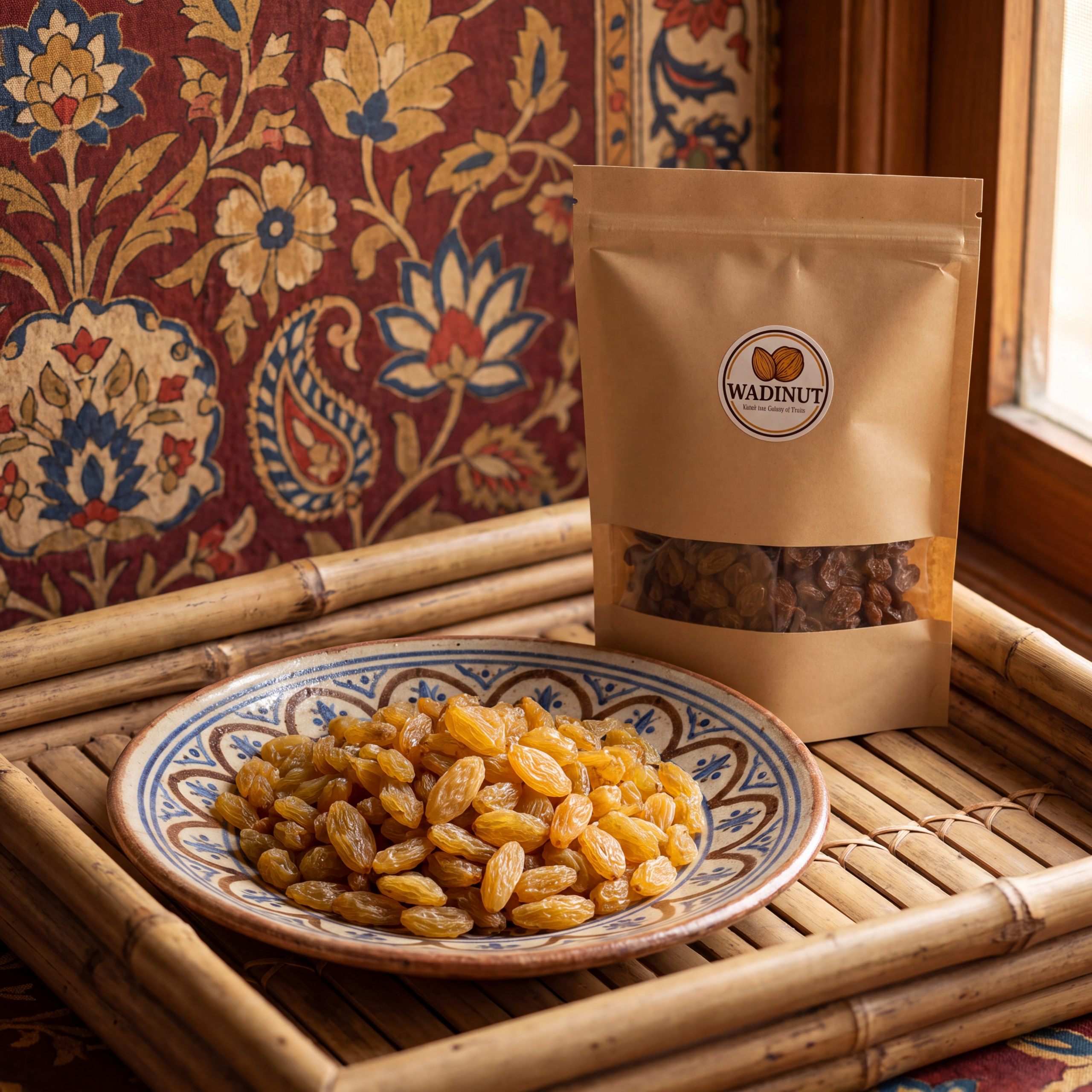
Long seedless raisins are made from naturally seedless grape varieties. They usually have an elongated shape and range in colour from pale green to golden. Compared with many small, round raisins, they generally have a firmer bite and a more balanced sweetness.
A large share of India’s raisin production comes from Maharashtra, particularly the Nashik and Sangli regions. However, origin can vary between brands and suppliers. Long seedless raisins come from different grape varieties and may require separate grading and handling. Their price usually depends on origin, size, colour, processing and overall quality.
Beyond that, there’s black kishmish, which is dried differently and has a deeper, almost caramel sweetness, and munakka, which is larger, darker and usually still has its seeds. All four are sold as “kishmish” at different points, which is a large part of why the pricing is so confusing.
Types of Raisins Sold in India
Four types cover most of what’s sold as kishmish in India. These are general descriptions — colour, texture and size vary depending on the grape variety and drying method.
| Type | Appearance | Texture | Common use |
|---|
| Long seedless | Elongated, pale green to golden | Firm, chewy | Eating plain, pulao, salads |
| Round seedless | Small, round, golden | Soft | Kheer, baking, everyday use |
| Black raisins | Small, dark brown to black | Soft, sticky | Eating plain, soaking |
| Munakka | Large, dark, usually with seeds | Very soft, fleshy | Traditional preparations |
Which One Should You Buy?
If raisins are going into kheer, halwa or a cake, round raisins do the job and cost less. They soften into the dish and nobody’s examining their shape.
Long seedless raisins are worth the difference when you’re eating them plain, or using them somewhere they stay visible – a pulao, a salad, a cheese board. They hold their shape and their texture is firmer.
Black raisins and munakka are different products with their own uses, not upgrades of the same thing.
What to Look For When Buying Raisins
Raisins are one of the harder dry fruits to judge by looking, because appearance is affected as much by processing as by quality. Four things worth understanding:
Should Raisins Be Sticky?
A little natural tackiness is normal – raisins are dried fruit with a high sugar content.
What’s worth noticing is a distinctly oily or slippery feel. Vegetable oil is commonly applied to raisins in the trade to stop them clumping together in bulk storage. It’s a permitted practice, and it doesn’t make the raisins unsafe. But if you’d rather not have it, the ingredient label is where to check.
Raisins that feel unusually wet may have been exposed to excess moisture. Check the smell, packaging and best-before date before consuming them.
Why Raisin Colour Varies
Colour tells you less than people assume.
Naturally dried grapes darken as they dry – that’s simply oxidation. Some golden or pale raisins are treated with permitted preservatives such as sulphur dioxide to help retain their colour. However, colour alone cannot confirm whether a preservative was used, so check the ingredient label.
Darker raisins aren’t necessarily older, and pale ones aren’t necessarily fresher. Colour mainly tells you about the drying and treatment method, not about quality or age.
Check for Seeds and Stems
Seedless raisins should not contain developed seeds, though an occasional small seed trace may occur naturally. A few stem fragments in a pack are common and not a defect, but a large number suggests loose sorting.
Long seedless raisins vary in size within a batch. That’s normal for a naturally dried product.
Read the Ingredient Label
Raisins can carry added sugar, oil, or preservatives, and none of these are reliably detectable by taste or feel. Sweetness varies naturally between grape varieties and batches, so a sweeter raisin doesn’t mean sugar was added.
The ingredient label is the best place to check for added oil, sugar or preservatives. If anything remains unclear, ask the seller or manufacturer.
How to Use Raisins
Plain, by the handful, is how most raisins get eaten.
Raisins add natural sweetness to kheer, halwa and other desserts, which may allow you to adjust the amount of added sugar according to taste. In savoury cooking they turn up in pulao and biryani, usually fried briefly in ghee first, which plumps them and brings out the sweetness.
Long seedless raisins work particularly well in salads and with cheese, where their firmer texture holds up.
Should You Soak Them?
Soaking is optional. It softens the raisins, but they can also be eaten directly from the pack.
A small quantity in water, left overnight, eaten in the morning.
How many a day? That depends on your diet and health. Raisins are concentrated in natural sugar, which matters more for some people than others. Ask a doctor or dietitian if you want advice that applies to you.
How to Store Raisins
Raisins hold moisture, so their storage needs are closer to figs than to nuts.
- Airtight container, always – raisins both absorb and lose moisture
- Cool and dry, away from direct sunlight
- Refrigerate in humid weather or once a pack has been open a while
- If raisins harden, a few minutes in warm water softens them
- Some natural sugar crystallisation on the surface during storage is normal
Don’t consume raisins that smell fermented or sour, show fuzzy patches, contain insects, or appear otherwise spoiled. If you’re unsure, it’s safer to discard them.
Why Buy Raisins From Waadi Nut
Long seedless variety. We sell the elongated seedless variety rather than the smaller round raisins that make up most of the market.
No added sugar. Our raisins contain only dried grapes, with no added sugar, oil or preservatives.
Hand-sorted. Every batch is checked before packing. Stems, undersized and damaged raisins get removed.
Vacuum-sealed. Raisins absorb moisture and odours from the air. Once opened, keep them in an airtight container and follow the storage instructions on the pack.


Reviews
There are no reviews yet.