What Makes Kashmiri Anjeer Different?
Most anjeer sold in India isn’t Indian.
They come from Afghanistan and Turkey, though the origin can vary by seller and season.
Walk into a dry-fruit shop and you’ll often find Afghan or Turkish figs on display. Turkish figs are the ones most people recognise, large, flat, pale golden and usually soft. Their appearance depends on the variety, drying method and how they’re handled after harvest, so not every Turkish fig will look or taste the same.
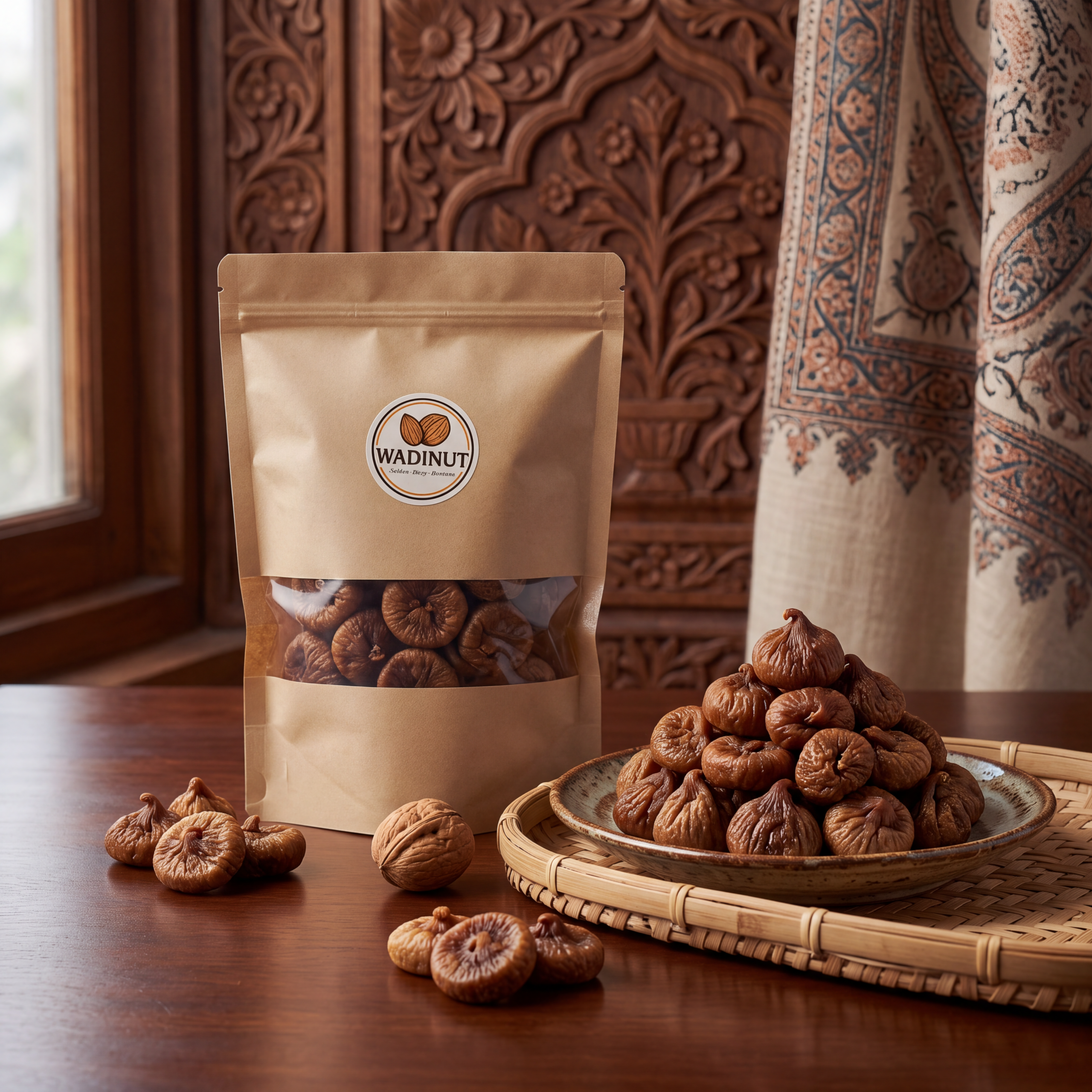
Kashmiri anjeer is a different thing. Our anjeer comes from growers in the Kashmir Valley and is produced in relatively small batches. The fruit is naturally dried, which is why the size, colour and texture can vary from one batch to another. What comes out is smaller than a Turkish fig, darker, and less uniform. Some are chewy, some softer. This kind of variation is normal in naturally dried fruit.
The taste is where the difference shows. As figs dry, their natural sweetness becomes more concentrated. We don’t add sugar or glucose coating to ours, so the sweetness comes from the fruit itself.
Kashmiri vs Afghan vs Turkish Anjeer
Three types cover most of what’s sold in India. Here’s how they differ.
| Feature | Kashmiri | Afghan | Turkish |
|---|
| Typical size | Small to medium | Medium | Large |
|---|
| Colour | Deep amber to brown | Golden brown | Pale golden |
|---|
| Texture | Varies by batch | Chewy | Usually soft |
|---|
| Availability in India | Seasonal, limited | Year-round | Year-round |
|---|
Which One Should You Buy?
If you want figs that look consistent – same size, same pale colour, same softness – Turkish figs deliver that, and they’re widely available. There’s nothing wrong with them.
Kashmiri anjeer makes sense if you’d rather have the fruit as it dries naturally, and don’t mind that one fig in the pack is chewier than the next. It’s a different eating experience, not a strictly better one.
We’d rather say that than pretend everyone should be buying ours.
What to Look For When Buying Anjeer?
Anjeer confuses more buyers than any other dry fruit, mostly because naturally dried figs look different from what most people are used to. Four things worth knowing:
Is the White Coating Mould?
A dry white layer often appears on naturally dried figs. This is usually sugar bloom – the fruit’s own sugar crystallising on the surface as it loses moisture. It’s dry, evenly spread, and has no smell. It’s normal, and it’s more common in cold weather.
Mould looks different: fuzzy rather than powdery, in patches rather than even, and usually with a sour or musty smell. If a pack looks or smells like that, don’t eat it.
What Texture Should Anjeer Have?
Anjeer should feel naturally soft or slightly chewy, depending on the batch. Very hard figs may be over-dried, while unusually wet or sticky figs may not have been stored properly. If the pack smells sour or shows fuzzy patches, don’t consume it.
Natural figs can vary in softness, even within the same pack. A very uniform texture may simply come from the variety or processing method, so softness alone can’t tell you whether anything has been added.
Why Anjeer Colour Varies
Naturally dried figs range from deep amber to brown. Fig colour varies with the variety, drying method and storage. Some producers may use permitted preservatives such as sulphur dioxide to help retain a lighter colour, but appearance alone isn’t enough to confirm this. Check the ingredient label for a clear answer.
Check the Label, Not the Taste
Anjeer is naturally sweet, and the flavour can vary between varieties and batches. Extra shine or stronger sweetness doesn’t prove that glucose has been added. The ingredient label and supplier information are more reliable than taste alone.
None of these checks is conclusive on its own. Together, these checks can help you judge the condition of the figs, but the ingredient label remains the best source of information about added ingredients or preservatives.
How to Eat Anjeer
Straight from the pack works. Beyond that, anjeer chops well into kheer, halwa and barfi, where its own sweetness means less sugar is needed. It also works in salads with cheese.
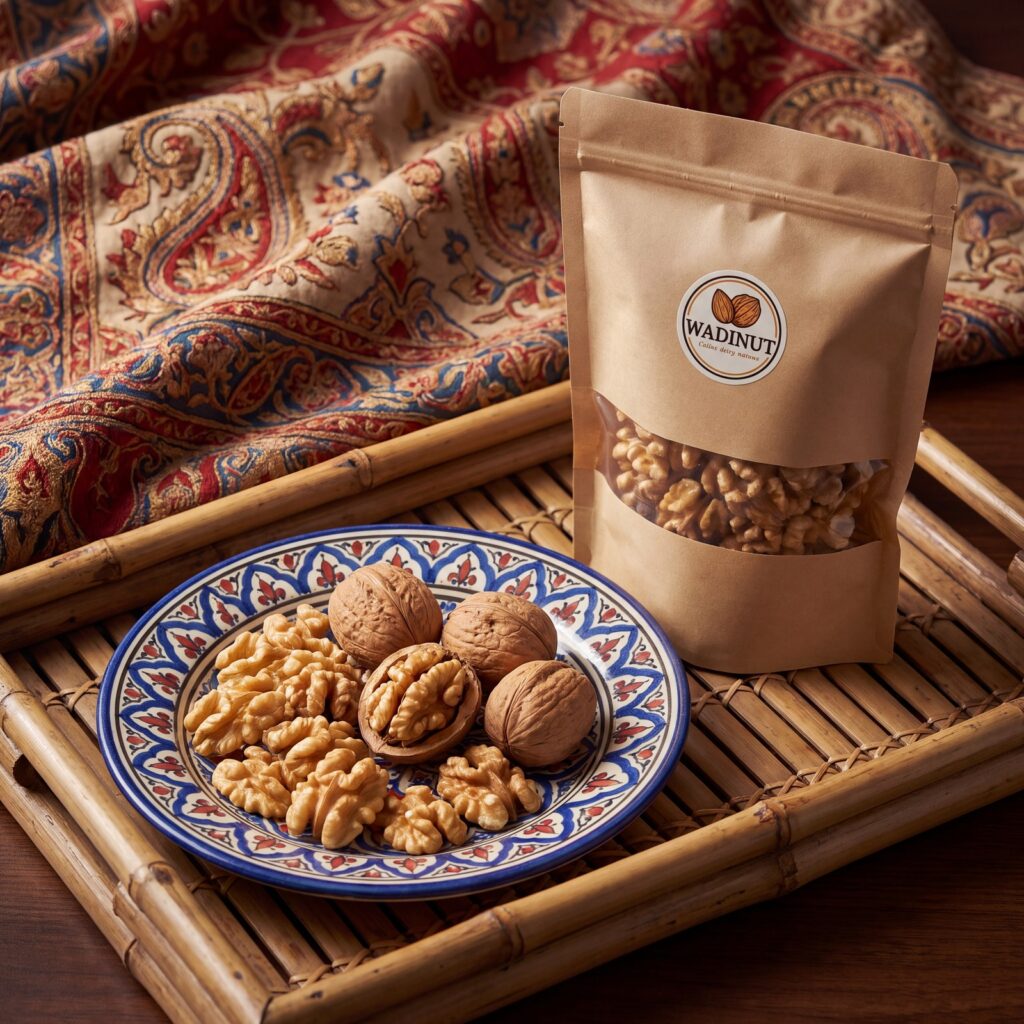
Fig and walnut together is an old combination worth trying. The tartness of the fig cuts through the walnut’s oil.
Should You Soak It?
Soaking overnight in water is the traditional way, and it does two things: softens the fruit and may make it easier for some people to eat.
Put the figs in enough water to cover them, and leave overnight. Eat the softened figs in the morning.
It’s optional. Dry figs are perfectly fine to eat as they are.
How many a day? That depends on your diet and health, and we’re not going to put a number on it. Figs are high in natural sugar, which matters more for some people than others. Ask a doctor or dietitian if you want advice that applies to you.
How to Store Anjeer
Anjeer holds moisture, which makes its storage needs different from nuts.
- Airtight container, always – figs both absorb and lose moisture
- Cool and dry, away from direct sunlight
- Refrigerate in humid weather or after the pack has been open a while
- If figs harden, a few minutes in warm water softens them again
- Sugar bloom on stored figs is normal and not a problem
Don’t consume figs that smell sour or musty, show fuzzy patches, contain insects, or appear otherwise spoiled. If you’re unsure, it’s safer to discard them.
Why Buy Anjeer From Waadi Nut
Sourced from the valley. Our anjeer is sourced through growers and suppliers in the Kashmir Valley.
No sulphur, no glucose coating. Our anjeer keeps its natural variation in colour, size and texture, and sugar bloom may occasionally appear during storage.
Hand-sorted. Every batch is checked before packing. Over-dried, damaged and undersized anjeer gets removed.
Vacuum-sealed. Our anjeer is vacuum-sealed to reduce its exposure to air and outside moisture. Once opened, keep it in an airtight container and follow the storage instructions printed on the pack.

Reviews
There are no reviews yet.